
Home / Guides / Flat vs gusseted tote bags: how to choose the right shape
Flat vs gusseted tote bags: how to choose the right shape
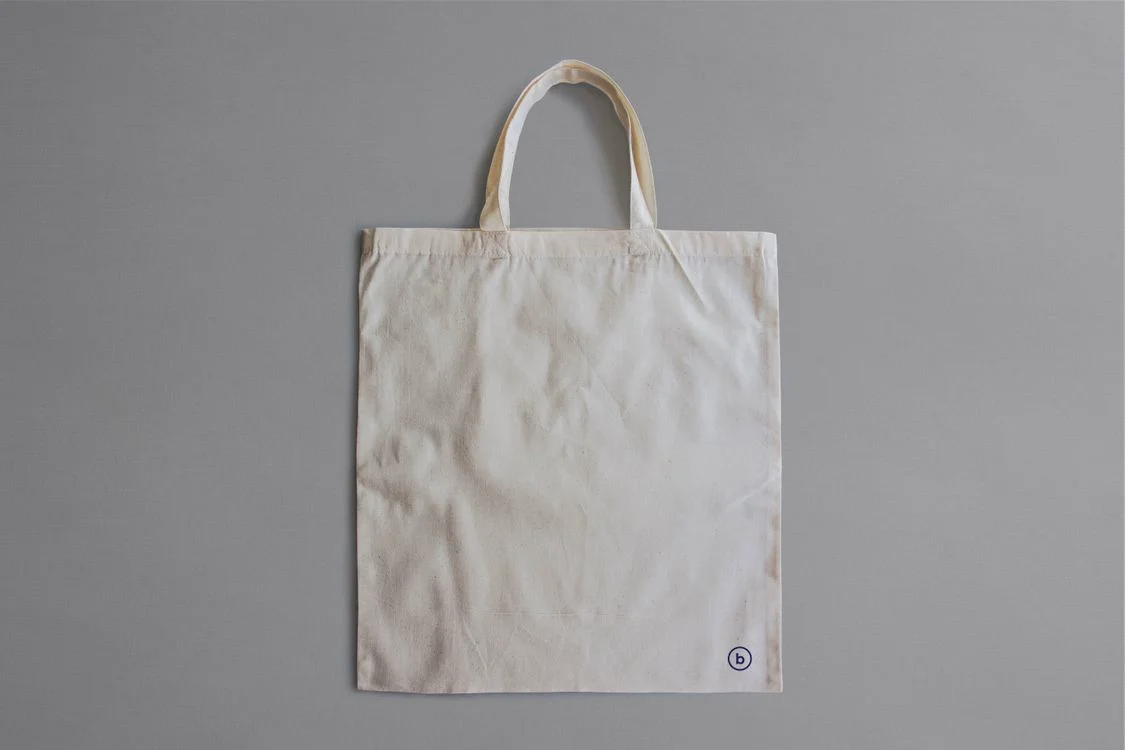
Two tote bags can share a width and height yet fit a gift box very differently. The missing detail is often the gusset: the fold, panel or corner construction that creates depth. For a bulk order, choosing a gusset is less about picking the biggest bag and more about agreeing how the finished bag is measured and what it must hold.
This guide focuses on flat, bottom-gusset and full-gusset shapes. For fabric weight and a broader specification brief, see our tote bag GSM and size guide. Construction, dimensions, decoration and any sample requirements still need confirmation for the particular style being quoted.
What is a gusset on a tote bag?
A gusset gives a bag depth at the base, the sides or both. It may be a separate sewn panel, a fold that opens out, or shaped corners that create a base. A flat tote has no deliberately formed depth panel, although its fabric can bend around the contents. That flexibility is not the same as a specified finished gusset.
Names are useful starting points, not complete specifications. A supplier may use bottom gusset, boxed bottom, T-gusset or full gusset for different patterns. Ask for a drawing or clear photographs of the opened base and side seams. The finished shape matters more than agreement on a name alone.
| Construction | What to check |
|---|---|
| Flat tote | Body width and height, opening and how the fabric wraps around the contents |
| Bottom gusset or boxed corners | Opened base depth, corner shape and how much front width remains when filled |
| Side and base gussets | Front-panel width, side depth, base dimensions and any taper towards the opening |
Why the same stated size may not mean the same fit
A measurement taken across an empty bag laid flat can differ from the front width of the opened bag. With some bottom-gusset constructions, part of the flat width becomes depth when the base is opened. A separate side-and-base panel may be measured differently. Do not subtract a standard amount from every bag: ask how that exact construction is measured.
Convention Totes illustrates this distinction in its bag measurement guide. The practical lesson is to compare like with like: a labelled drawing and an opened sample are more useful than two unlabelled sets of numbers.
- Label each figure: finished width, body height and gusset depth, with the unit beside them.
- State whether width means the flattened overall width or the front panel of the opened bag.
- Show where depth is measured and whether it is the full opened depth or a folded section.
- Keep body height separate from handle length and handle drop.
- For tapered bags, record the opening and base separately rather than assuming one width describes both.
Choose the shape from the packed contents
Start with the actual items, including their retail boxes, tissue, sleeves or inserts. A thin document pack may suit a flat tote. A rigid gift box or a group of upright items needs a fit check that considers depth as well as width and height. Neither description proves that a particular bag will fit without a sample.
The opening is a separate check. A box may fit the base but be awkward to pass through the top, especially if a zip, lining, pocket or handle attachment narrows the entrance. Check the route into the bag, not only the space at the bottom. Then bring the handles together and try the intended closure with the contents inside.
Browse cotton tote bags or jute tote bags for a starting style, then ask for the construction and finished measurements of the option you are considering. A product photograph alone does not establish internal dimensions or carrying capacity.
Do not turn external dimensions into a capacity promise
Multiplying outside width, height and depth describes a rectangular space, not necessarily the usable interior of a soft bag. Folded corners, taper, seams, lining and closures can all reduce or change the space available. A flat tote is not a zero-capacity bag simply because it has no separate depth panel.
A deeper gusset also does not prove that a bag can carry more weight. Fabric, seams, handles, attachment points and the intended load need their own checks. If a weight claim matters, agree a test method and acceptance criteria with the supplier rather than inferring strength from dimensions or a photograph. The sample approval checklist explains how to keep these checks separate.
Check the opened bag before approving artwork
The centre of a flat panel may not look like the visual centre once the bag is filled. A bottom fold can hide low artwork, and side seams or handle stitching may limit the decoration area. Ask the supplier to mark the usable area for the selected construction rather than sizing a logo to the full bag width.
Review the artwork on the intended bag shape, empty and loaded. Keep the agreed panel, print size and position with the dimension drawing. If the gusset or body size changes, check whether the artwork layout needs updating too. Our artwork preparation guide covers the file and proof handoff.
A short gusset brief for your quote request
- Intended contents and their packed dimensions, including orientation.
- Preferred construction, supported by a reference image or drawing.
- Finished body measurements, units and named measurement points.
- Opening, closure and handle requirements.
- Artwork location and the panel that must remain visible when filled.
- Sample fit checks and dimensional tolerances to agree before approval.
Ask the supplier to confirm the available construction, measurement method and any effect on price, packing or timing in writing. Do not assume a gusset change is included in an existing quotation. For the full order handoff, use the bulk tote order process guide.
Ready to discuss a shape? Browse custom tote bags and send the intended contents with your quote request. A clear drawing and a loaded sample check can settle fit questions that a size name cannot.
Further reading: Gentle Packing on measuring tote bags and Benshine on gusset construction and measurement points. These are general references, not specifications or service promises for a Priglob Exim order.