
Home / Guides / Lined vs unlined tote bags: choosing the interior for your order
Lined vs unlined tote bags: choosing the interior for your order
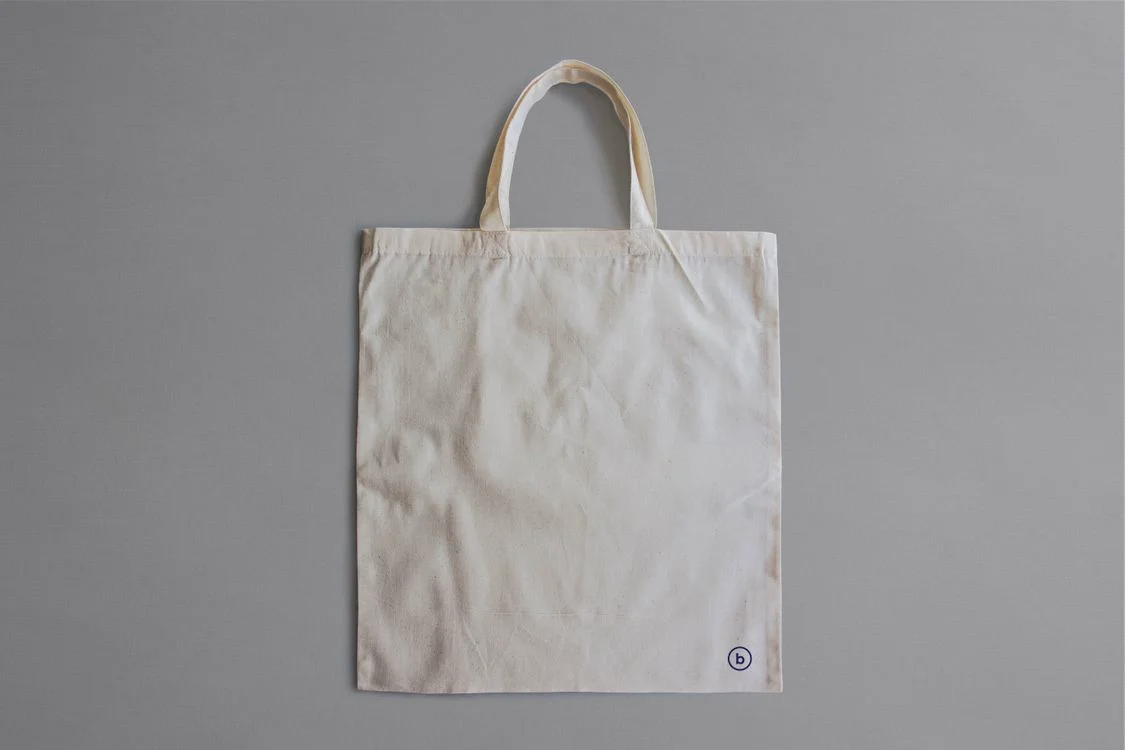
Lined and unlined tote bags can look almost identical from the outside. The difference becomes clear when someone reaches inside. A lining is a separate fabric layer within the outer bag; an unlined tote leaves the reverse of the main fabric and its internal seams visible. Choose between them by looking at the job the interior needs to do, rather than treating one as an automatic upgrade.
For a shop handing over boxed purchases, a simple unlined interior may be enough. A tote intended to hold a phone, keys and a notebook needs a closer look at organisation and access. This guide covers that interior decision. Bag depth, handle fit and the main opening remain separate parts of the specification.
What changes when a tote has a lining?
A lining can cover the reverse of the outer fabric and the construction beneath it, giving the inside a different colour, texture or finish. The lining fabric does not have to match the outer canvas. Ask what material is proposed and how it is attached, rather than relying on the word lined to describe the whole construction.
| Detail | Unlined tote | Lined tote |
|---|---|---|
| Inside surface | Reverse of the outer fabric | Separate interior fabric |
| Seams | Visible finish needs inspection | Ask what is covered and inspect accessible joins |
| Pockets | Confirm how attachments look on both sides | Confirm pocket position and supporting construction |
| Quotation | Define the seam finish | Define lining fabric, joins and finish |
The extra layer is not the same thing as a stiffener, padding or a waterproof barrier. A manufacturer’s canvas tote structure guide distinguishes lining from gussets and other construction choices. Its available materials and production terms belong to that supplier, not to a Priglob Exim quotation.
Unlined should not mean an unspecified seam finish
Open an unlined sample and inspect the side and base seams. Look for loose threads, gaps, rough edges and a finish that catches the intended contents. The inside is part of the product, even when customers mainly see the printed front. Request an interior photograph with the bag opened out so that the seams can be identified.
There are several ways to finish exposed fabric edges. The sewing reference Tote Bags: Part I describes options including overlocking and enclosed French seams. These are different constructions, not interchangeable quality labels. Ask which finish is included in the quoted bag and keep a photograph or sample reference with that description.
An unlined tote can still have a considered, tidy interior. Conversely, adding a lining does not prove that every hidden seam has been sewn well. Judge the finished sample against an agreed specification rather than using the number of fabric layers as a shortcut for quality.
Specify the outer fabric and lining separately
Write down the composition, colour and fabric reference for each layer. If a weight is quoted, keep its units and material name beside it. An outer canvas weight does not describe the lining, and neither figure is the weight of the complete bag. A matching colour name also does not guarantee that two different fabrics will look identical.
View a proposed contrast lining through the opening and against the outer fabric. Decide whether it suits the branding and makes the intended contents easy to see. Ask for the actual proposed material rather than approving an interior from a photograph of another style. If an alternative fabric is later suggested, review the change before treating the earlier approval as applicable.
Check pockets with the bag filled
A pocket that looks useful in an empty tote can be difficult to reach behind a folder or gift box. Put the intended object in the pocket and load the main compartment. Check the opening width, depth and position, including whether the object protrudes. Label the front and back of the bag on the drawing so that pocket placement is unambiguous.
Ask where the pocket is attached and inspect the corresponding area outside the bag. Do the same for any key loop or internal label. Do not assume that a lining will conceal every stitch or that a pocket is included because it appears in a lifestyle photograph. Each feature needs to belong to the chosen style and quotation.
Keep pocket closures separate from the top of the tote. A zipped inside pocket does not close the main compartment. Our zip, snap and open-top guide explains the different access checks for the main opening.
Compare usable space, not just outside dimensions
Use the same contents when reviewing different interior constructions. Try inserting the largest item, settling it at the base and taking it out again. Check that an interior fold does not catch a box corner and that the lining sits comfortably within the body rather than pulling tight across it. Record what happens on the actual sample.
Do not subtract a guessed allowance from catalogue dimensions to calculate the interior. Measure the clear opening and usable space using agreed reference points. The flat versus gusseted tote guide covers body shape and depth; the lining review checks how that space works in the assembled bag.
Keep care and performance claims separate
Ask for care guidance for the complete construction, including outer fabric, lining, decoration and hardware. Do not copy a washing instruction from the outer fabric alone onto a lined bag. If washing is part of the intended use, ask which sample checks or supporting results are available before approving the instruction. Our canvas care guide explains why the actual bag’s care directions come first.
Likewise, lined does not establish a carrying capacity or water-resistance rating. Describe the intended contents and any required performance to the supplier. Request evidence tied to the proposed bag and an agreed method where a claim matters. A neat interior photograph is useful for appearance, but it is not a strength test or proof of protection from spills.
Put the interior into the quote request
- Starting bag style, quantity, dimensions and intended contents.
- Lined or unlined preference, with interior reference photographs.
- Outer and interior material references, colours and proposed seam finish.
- Pocket sizes and positions, closures and any labels or loops.
- Care requirements and any performance evidence to agree before approval.
- Destination, packing brief and sample requirements for confirmation in the quote.
Browse canvas tote bags or custom tote bags for a starting style, then ask which interior options are available for that project. Prices, sample arrangements and timing depend on the confirmed specification. Keep the final interior photographs and drawing with the sample approval record, so that the inside receives the same attention as the logo on the front.