
Home / Guides / How to clean and store canvas tote bags: a care guide
How to clean and store canvas tote bags: a care guide
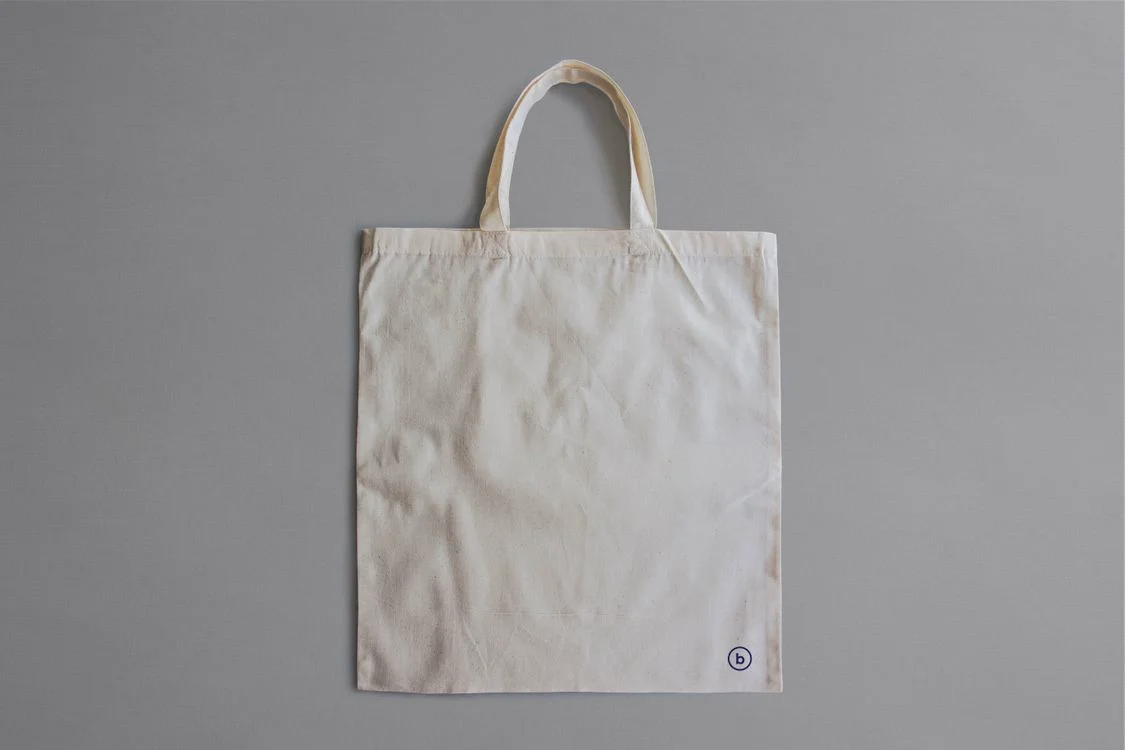
Canvas is the most washable of the natural bag fabrics. It tolerates water and gentle machine cycles better than jute, which makes canvas totes the practical choice when end customers will wash their bags regularly. But washable does not mean indestructible: heat, harsh detergent and rough handling still shrink, fade and distort a canvas bag over time.
This guide covers cleaning, drying and storing canvas tote bags, written for bulk buyers who need to brief customers or set care labels. It complements our jute bag care guide, which covers jute, cotton and burlap. For fabric background, see the jute vs cotton vs canvas comparison.
Why canvas is different from jute
Canvas is a plain-weave cotton fabric. Unlike jute, which is a bast fibre that swells and weakens when soaked, cotton canvas tolerates water well. The tight weave holds its shape through repeated washing, and the fibres soften without losing strength. That said, canvas still shrinks with heat, colours can bleed on the first wash, and prints crack under high-temperature ironing.
| Property | Canvas | Jute |
|---|---|---|
| Water tolerance | Good: handles hand wash and gentle machine cycles | Poor: fibres swell, weave distorts |
| Shrinkage risk | Moderate with heat; pre-shrunk canvas reduces this | High: avoid soaking and heat |
| Drying | Air dry flat or hanging; short tumble on low only if supplier confirms | Air dry only, never tumble |
| Ironing | Medium heat on reverse side; avoid ironing prints | Low heat only; easily scorched |
| Storage | Fold or hang in a dry place; avoid prolonged damp | Must stay dry; prone to mildew |
How to wash a canvas tote bag
- Empty the bag and shake out loose dirt, crumbs and debris.
- Spot clean any marks first: dab with a cloth dipped in cool water and a small amount of mild detergent. Work from the outside of the stain inwards.
- For a full wash, hand wash in cool or lukewarm water (below 30°C) with a gentle detergent. If machine washing, use a gentle cycle at 30°C and place the bag in a laundry bag or pillowcase to protect handles and prints.
- Rinse thoroughly in cool water until no suds remain. Press water out gently; do not wring or twist.
- Reshape the bag while damp. Lay flat or hang to air dry away from direct sunlight and radiators.
First washes may release some dye, especially on coloured or dyed canvas. Wash separately or with similar colours the first two or three times. Natural undyed canvas does not have this issue.
Stains and marks
- Grease and oil: cover with bicarbonate of soda or cornflour, leave for a few hours, brush off, then spot clean with detergent.
- Ink: dab with a cloth dampened with rubbing alcohol, working from the outside in. Test on a hidden area first.
- Food and drink: rinse the mark under cool running water as soon as possible, then spot clean.
- Mould or mildew: brush off dry spores outdoors, dab with diluted white vinegar, and dry thoroughly in fresh air.
Never use bleach on canvas. It weakens the cotton fibres, strips colour and can yellow natural fabric. For stubborn stains on white or natural canvas, a paste of bicarbonate of soda and water left for an hour before washing is a gentler option.
Caring for printed and embroidered canvas
Print and embroidery change the washing rules. Screen-printed designs last longest when the bag is turned inside out before washing and never ironed on the print side. Heat is what cracks and fades prints. Embroidery tolerates washing well but can snag, so keep embroidered bags away from velcro and rough surfaces. The sample stage is the time to test a wash cycle with your chosen print method, as covered in our printing methods guide.
Storage between uses
Store canvas bags clean and fully dry. Damp canvas in an enclosed space invites mildew, which is harder to remove than most stains. Fold bags neatly or hang them by their handles. For long-term storage, keep bags in a dry, ventilated space away from direct sunlight, which fades both fabric and prints over time. If bags will be stored for months, place a sheet of acid-free tissue inside to help the bag hold its shape.
What to put on the care label
For bulk orders, the care label is part of the product. Customers blame the bag when it shrinks or a print cracks, not their washing machine. A short, accurate care label or swing-tag line reduces complaints and keeps bags in use longer. If end customers will wash bags frequently, pre-shrunk canvas is worth specifying at the order stage.
| Care point | What to specify |
|---|---|
| Care label | Washing and drying symbols plus a plain-English line sewn or printed inside |
| Fabric | Pre-shrunk canvas where frequent washing is expected |
| Print method | A method suited to washing, agreed with the supplier before bulk |
| Handles | Reinforced stitching if bags will be machine washed regularly |
If you are still choosing between fabrics, our canvas tote bag buying guide covers weights, sizes and print surfaces, and the GSM and size guide explains fabric weight in plain terms. When you are ready to plan an order, browse the canvas range and request a quote below; tell us how the bags will be used and washed, and the fabric weight and care label can be agreed with your sample before bulk production.