
Home / Guides / Bulk tote bag colour and size assortments: plan the order before the quote
Bulk tote bag colour and size assortments: plan the order before the quote
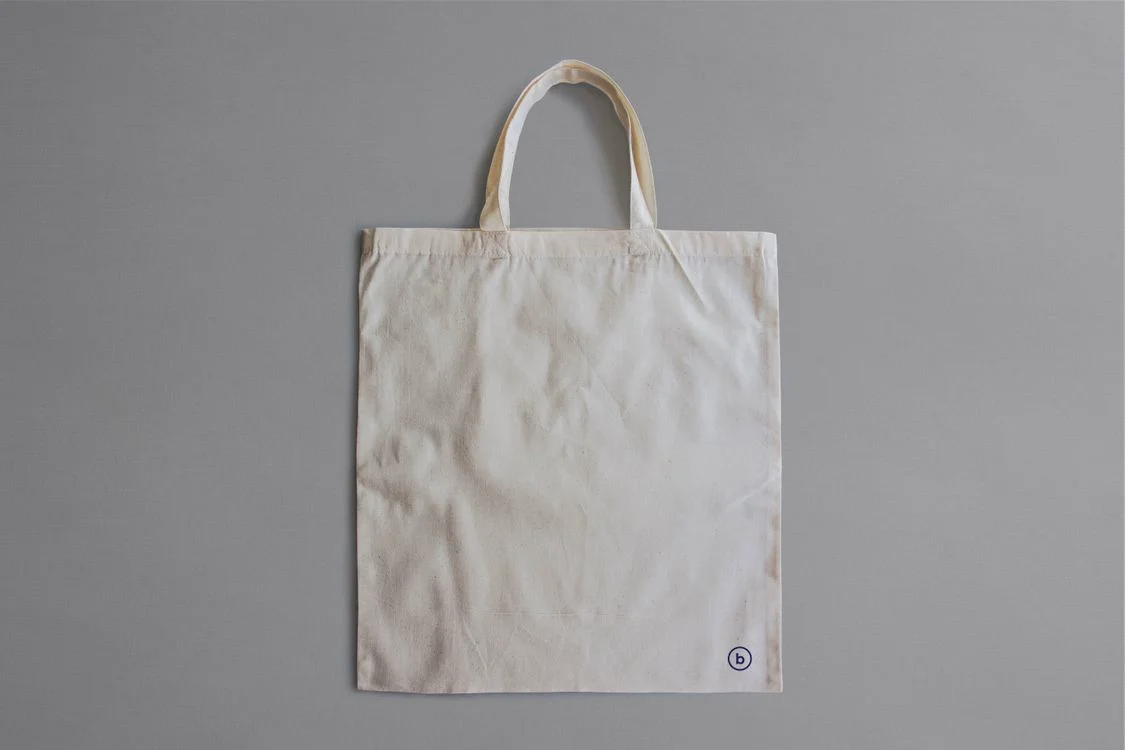
An order for 1,000 tote bags can mean one bag repeated 1,000 times, or a collection of different sizes, colours and logos. Those are not the same brief. Before asking for a price, show how the total divides into the versions you actually need. A quantity matrix gives each version its own row, so the buyer and supplier can check the same order.
This guide is for retailers, event teams and importers building an assortment rather than choosing a single bag. It explains how to record quantities and decisions, not which combinations Priglob Exim can manufacture at a stated minimum. Availability, minimums, colour matching, decoration and packing must be confirmed for the exact quotation. Start with the custom tote bag range, then describe the split you want.
Define what makes one version different
Begin with the finished bag specification: material, dimensions, gusset, handle construction and any pocket or closure. Then record body colour, handle colour, artwork revision and print side. If two bags differ in something the warehouse must recognise, give them separate order references. Even a small change needs a clear place in the brief.
Use names that the whole team understands. Natural body with black handles is more useful than colour A when someone checks a carton. Names alone do not approve a shade, however. Record the agreed physical reference or sample where colour matters, and ask the supplier to confirm how it will be assessed. A screen image communicates intent; it is not a physical colour standard.
Build a quantity matrix before requesting a unit price
Keep a single master sheet rather than separate messages for each colour. Each row should connect one bag version to its quantity, artwork and packing instruction. Include units in the size column and state whether those are finished dimensions. Leave unconfirmed details marked as questions instead of letting an empty cell look like approval.
| Order reference | Finished bag version | Artwork reference | Illustrative quantity |
|---|---|---|---|
| T01-NAT | Size A, natural body, natural handles | Front logo v03 | 400 |
| T01-BLK | Size A, black body, black handles | Front logo v03 reversed | 300 |
| T02-NAT | Size B, natural body, natural handles | Front logo v03 | 300 |
| Total | Three separately identified versions | Not one shared approval | 1,000 |
These figures are an arithmetic example, not a Priglob minimum, price tier or available stock list. The rows add to 1,000 pieces, but each row still needs supplier confirmation. Reconcile the matrix with the purchase order and quotation. If the total changes, update every affected document rather than adjusting only the headline quantity.
Ask what the minimum applies to
Do not assume that an overall order total satisfies every production minimum. Ask whether the quoted minimum applies to the complete order, each construction, each size, each body colour, each print design or another defined grouping. Request a written answer against your proposed rows. Different production routes may be quoted differently; an internet rule from another supplier cannot settle your order.
A useful question is: Can you quote these three versions at the quantities shown, and identify any row that needs a change? If a split is not feasible, ask for an alternative matrix before accepting it. The supplier might propose a different quantity or specification, but that proposal is a decision for the buyer, not permission to substitute colours automatically.
Keep artwork changes attached to the right row
The same logo file does not necessarily mean the same decoration instruction. A dark body may use a different approved artwork version from a light body, while a larger bag may need a separately agreed print size. Record the requested method, print dimensions, side and revision for each version. Ask which setup or sample charges apply rather than assuming they are shared.
Avoid a folder full of files called final. Use distinct names and a revision date, then identify which file belongs to which row. The artwork preparation guide covers the file handoff. For an assortment, the extra task is checking that the approved file and placement follow the intended colour and size, including any blank reverse panel.
Approve the assortment, not only one attractive sample
Discuss what the sample approval will represent. One sample can show one combination, but it does not automatically approve every size, body colour, print contrast or construction in the matrix. Ask the supplier to identify which details are represented by a shared reference and which require separate confirmation. Agree that scope before treating sampling as complete.
Keep the accepted sample reference beside the relevant rows. If one size changes after review, record exactly what changes and whether another approval is needed. Our sample approval checklist helps with the physical review. Do not silently carry approval from a natural unprinted bag over to a black printed version that has not been reviewed.
Decide how the versions will be packed and identified
Tell the supplier whether you want separate cartons by version or an agreed assortment inside each carton. Include the receiving team in that choice. A mixed carton can suit one distribution plan and complicate another. Specify the intended contents and labels, then ask the supplier to confirm a feasible packing arrangement rather than promising a carton count before packing is agreed.
For retail identification, distinguish your internal stock code from a GS1 GTIN. GS1 states that each size and colour variation needs its own GTIN. That does not mean every promotional bag order must carry a retail barcode. Confirm your sales channel requirements and identifier ownership before requesting labels; an invented internal code is not a GS1 identifier.
Make changes and repeat orders traceable
After approval, a request to move 100 pieces from one colour to another should produce a revised matrix. Ask the supplier to confirm any effect on pricing, sampling, material availability or timing before accepting the change. Keep the superseded version clearly marked so it cannot be used for production or packing by mistake.
For a repeat order, send the previous approved references together with a new quantity split. State what must stay the same and what is changing. Do not rely on the words same as last time when a different buyer or supplier contact may be handling the order. Reconfirm the current specification and quotation rather than assuming old terms still apply.
A short assortment brief to send with your enquiry
- Bag construction and finished dimensions for each version, with units.
- Body and handle colours, plus the proposed approval reference.
- Quantity per version and the reconciled total.
- Artwork revision, print side and requested print dimensions per row.
- Sample coverage, identification and proposed packing arrangement.
- Destination and required arrival date, for the supplier to assess feasibility.
Keep the matrix small enough to check carefully. You can ask for options, but label them as alternatives rather than mixing them into the committed total. Send the preferred split with your enquiry through the custom range, and ask for a quote that confirms each row. A clear assortment brief helps you compare what is actually being offered without mistaking a shared order total for a confirmed production plan.