
Home / Guides / How bulk bags are made: the process behind your order
How bulk bags are made: the process behind your order
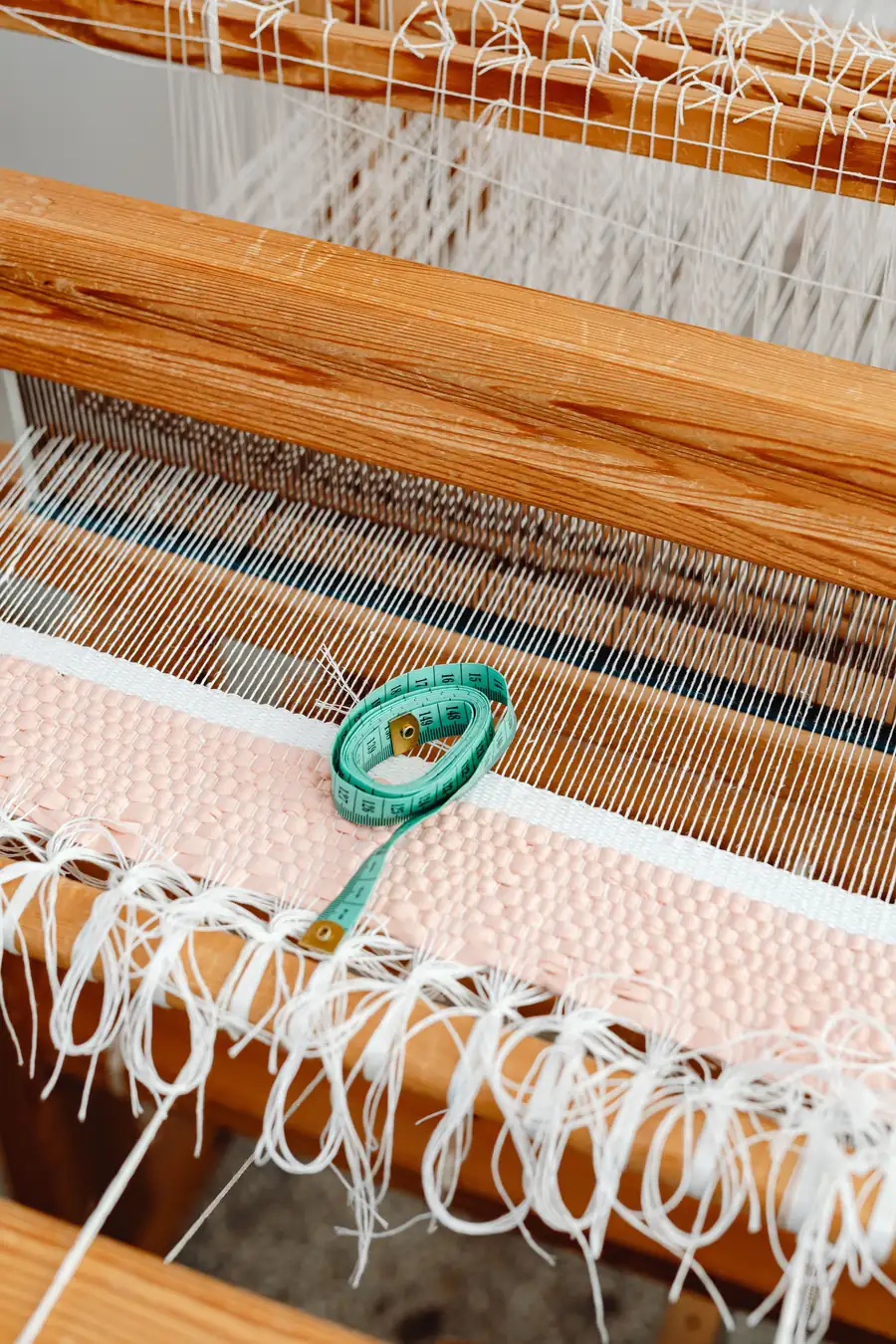
Between confirming a bulk bag order and the cartons arriving, a lot of hands touch your bags. Buyers who understand the main production steps write better specifications, judge samples faster and ask sharper questions. This guide walks through the typical process for jute, cotton and canvas bags, from raw fibre to packed cartons. It follows on from our step-by-step ordering guide, which covers the buying side of the same journey.
From fibre to fabric
Jute is a bast fibre: the stalks are retted (soaked) so the fibres loosen, then stripped, spun into yarn and woven. A tight weave gives the smoother fabric used for tote bags; a looser, more open weave gives hessian, the cloth many buyers call burlap. Our jute vs burlap guide explains that difference in detail. Cotton follows a parallel path: the fibre is ginned, spun and woven into duck or canvas cloth. Whatever the fibre, fabric weight is chosen for the job the bag must do - the GSM and size guide shows how weight maps to use.
Cutting the panels
Approved fabric is checked for flaws, layered and cut to a pattern: body panels, gussets, handles and any pockets. Cutting accuracy is what keeps sizes consistent across a run of thousands. When you brief a supplier, flat width and height, gusset depth and handle drop length are the measurements that drive this step, so quote them exactly.
Stitching and assembly
Panels are sewn together, seams are hemmed or overlocked, and handles are attached. Handle attachment carries the load, so it gets reinforcement - typically a stitched box or X pattern where the handle meets the bag. Zips, drawstrings, buttons and linings go in at this stage. If your bags will carry bottles, books or groceries, say so: the stitch specification follows the intended load.
Printing and branding
Artwork is usually applied to the flat panels before assembly, while they lie perfectly flat. Screen printing is the workhorse for bulk runs - one screen per colour, crisp spot-colour results. Digital and heat transfer suit photo-detail artwork or smaller quantities, and embroidery gives a stitched, premium logo. The printing methods guide compares the options with their trade-offs.
| Step | What happens | What you should specify |
|---|---|---|
| Fabric | Fibre is spun and woven to a chosen weight | Material and fabric weight (GSM) |
| Cutting | Panels cut to pattern from checked cloth | Flat size, gusset depth, handle drop |
| Stitching | Seams sewn, handles reinforced, extras added | Seam type and handle reinforcement |
| Printing | Artwork applied to flat panels | Colours, placement and print size |
| Finishing | Checks, trimming and export packing | Packing, labelling and document needs |
Finishing, checks and packing
Finished bags are trimmed of loose threads and checked: measurements against the specification, print position and registration, and stitch strength on handles and seams. Bags that pass are counted, packed into export cartons or bales and prepared with the shipping documents your customs broker will need.
What this means for your order
Notice how every step above turns into a line on a good specification sheet. The clearer the spec, the closer the first sample lands to what you pictured - and approving a pre-production sample before bulk is the checkpoint that protects the whole run. Our sample approval checklist lists exactly what to check when that sample arrives.
Ready to plan an order? Browse the jute, cotton and canvas ranges, then request a quote below. Tell us the fabric, size, print and quantity you are comparing, and we will confirm the production details with your sample before bulk.