
Home / Guides / Zip, snap or open top: choosing a tote bag closure
Zip, snap or open top: choosing a tote bag closure
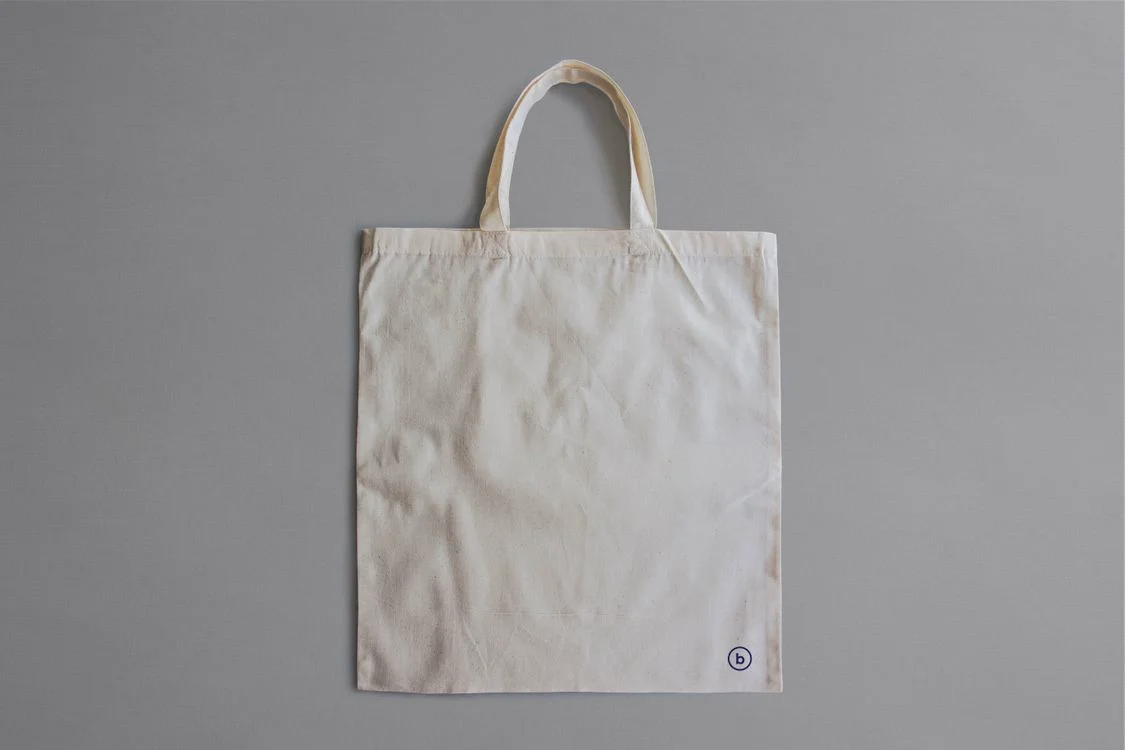
An open tote is easy to load at a shop counter. A zip-top tote can help contain smaller belongings, while a single snap draws the top together without closing every gap. None is automatically the best choice for a bulk order. Start with what customers will carry and how often they need to reach inside.
This guide compares the main opening, not a zip on an inside pocket. It sits alongside our handle length and drop guide and flat versus gusseted tote guide: carrying comfort, body capacity and access are separate checks. A bag can pass one and disappoint on another.
Compare the opening before comparing the price
| Closure | Open top | Zip top | Single snap |
|---|---|---|---|
| Useful starting point | Fast loading and frequent access | Keeping smaller items together | Light closure with quick access |
| What to check | Contents remain exposed at the opening | Clear entry width, end gaps and slider access | Gaps beside the snap and alignment when filled |
These are starting points for a sample review, not a ranking of quality. An open tote with suitable fabric and construction may suit a retail project better than a zipped version. Conversely, a giveaway-style opening may be inconvenient for someone carrying loose personal belongings on a commute. Describe the use before choosing the hardware.
Open tops: direct access with fewer closure parts
An open top has no main fastener to undo. It is practical when customers repeatedly put books, boxed merchandise or shopping into the bag. There is no slider or snap to operate, and no closure component to inspect. The finished rim and handles still need review; simple does not mean that construction checks can be skipped.
The limitation is the open mouth. Items are visible and may fall out if the bag tips. A separate closed pouch can organise small belongings, but that is an extra item to specify rather than a property of the tote itself. An open top should not be described as protecting contents from rain or unauthorised access.
Zip tops: check clear access, not just bag width
A zip joins the sides of the main opening and can help contain loose contents when it is closed. Inspect how far it extends and whether spaces remain at either end. A recessed zip panel may sit below the rim, changing both the entry and the usable height. A zip on a front or inside pocket does not close the main compartment.
Try passing the largest intended item through the fully opened zip. A box may fit the base yet catch at the top facing or zipper ends. Do not substitute the length of the zipper tape for the clear opening. Measure the sewn sample in its normal open position and agree the reference points with the supplier.
Ask about the pull shape, closing direction, end finish and fabric around the zip. Operate it with the intended contents inside and with the handles brought together. Note catching lining, awkward corners or a pull that becomes hard to reach. A zip adds components and sewing operations, but any price, packing or lead-time difference needs a quotation for the actual construction.
Snaps: identify the fastening, then test the gaps
The word snap can refer to a magnetic fastening or a press-stud that clicks mechanically into place. Name the intended type and show its position on the drawing. A single central snap can hold the upper edges together, but it leaves openings on either side. It is not a sealed substitute for a full top zip.
Fill the tote as it will be used and check that the two halves still meet without pulling the top out of shape. Open it near the fastening rather than tugging only on a thin lining. Ask how the surrounding fabric will be supported. Do not specify a stronger-feeling snap without considering whether the fabric and attachment can tolerate repeated use.
A closed top is not a waterproof or theft-proof claim
A standard zip or snap does not establish water resistance for the whole bag. Fabric, seams, gaps and the closure construction all matter. Likewise, a zip can make casual access less direct without making a bag theft-proof. If protection from weather is part of the brief, ask for the relevant construction and evidence rather than inferring it from a product photograph.
Keep strength claims separate too. A closure does not prove the carrying capacity of the handles, seams or bag body. State the intended contents and ask the supplier to agree an appropriate sample check or test method. Avoid treating a fabric weight, a hardware brand or an attractive finish as a guaranteed load rating.
Review a filled sample without forcing the fastener
- Load the intended contents, including inner cartons or gift wrapping.
- Check clear entry width and room beneath the closed top.
- Open and close the fastening several times in normal use; record any snagging or strain.
- Bring the handles together and try the intended carrying position.
- Inspect the zip ends or snap attachment and the surrounding seams.
- Confirm the final closure details in the same approved sample record as the bag size and artwork.
YKK Africa's zipper precautions warn against forcing a zip on an overfilled bag or pulling hard when fabric catches in the slider. Treat resistance as something to investigate, not a sample test to overcome with more force. This is general handling guidance, not a claim that any particular hardware brand is supplied with your order.
The wider sample approval checklist covers the bag, decoration and packing together. Agree any test conditions and acceptance criteria before bulk approval. A quick hand check can reveal a practical problem, but it is not a laboratory durability test or a promise of a particular service life.
What to put in a bulk enquiry
- Bag style, finished dimensions, fabric and intended contents.
- Open top, top zip, magnetic snap or press-stud, with placement shown.
- Clear opening required for the largest item and any pocket closures listed separately.
- Zip pull, end finish, closing direction or snap type and colour preferences.
- Lining, top facing, handle clearance, decoration and packing requirements.
- Quantity, destination and any sample or test requirements to confirm in the quotation.
For a cotton tote or canvas tote brief, send the intended closure as a requirement to discuss, not an assumption that every listed style offers it. Ask which construction is feasible, what the sample will show and what changes in the quote. Choose the opening that works with the contents first, then confirm the finished bag as one complete specification.