
Home / Guides / Plastic bag bans and reusable bags: a guide for retail buyers
Plastic bag bans and reusable bags: a guide for retail buyers
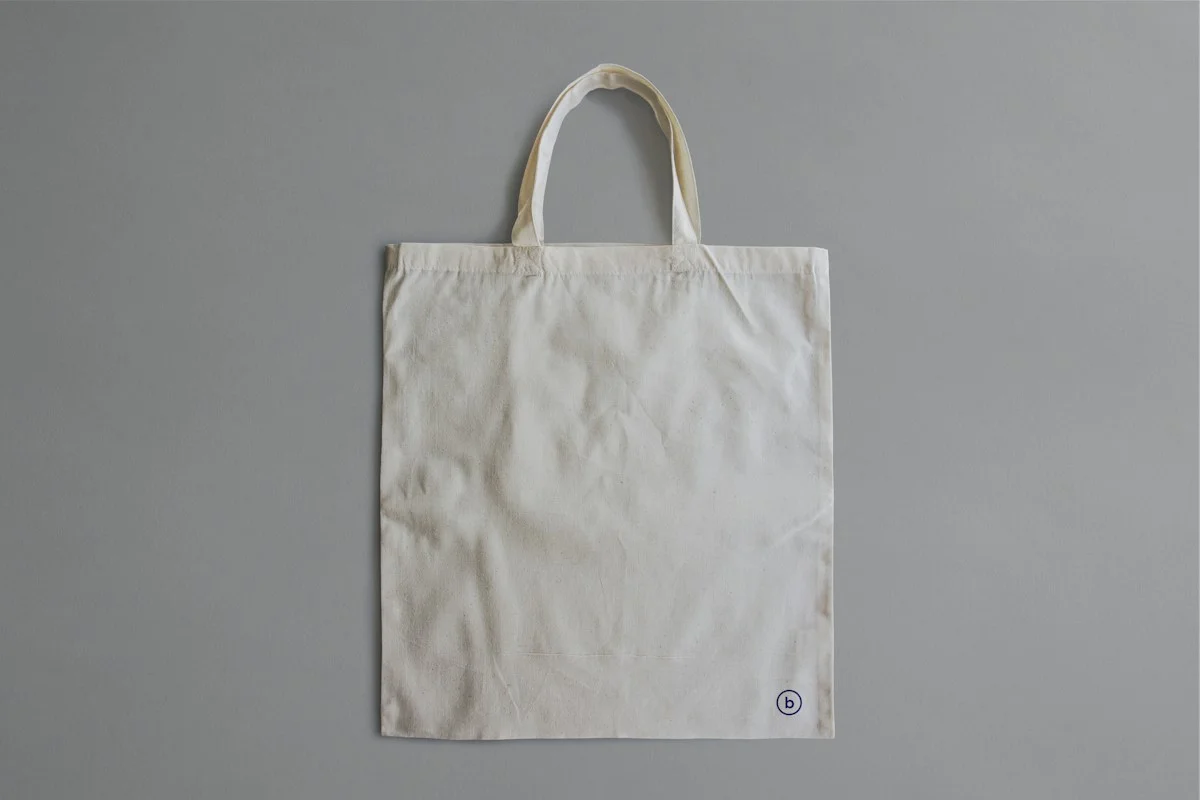
A number of US states and cities restrict or charge for single-use plastic bags at the till. For retailers this is less a legal story than a packaging decision: the bag a customer carries out still has to work, and increasingly it is a reusable one. This guide answers the questions retail buyers ask when planning the switch: which fabric suits which shop, how to size and print, and how to place a bulk order without surprises.
What the switch means for your shop
Where single-use bags are restricted, shops typically move to paper at the till, sell a reusable bag, or both. A reusable bag earns its place differently from a disposable one: customers reuse it for months, so it keeps carrying your branding long after the purchase. Buyers tell us the practical questions come first - will it hold the weight, will it survive the weekly shop, what does it look like with our logo. The sections below take those in order. If you run a grocery or farm shop, our reusable grocery bags guide covers that use in more detail.
Choosing the fabric
Three natural fabrics cover most retail needs. Cotton tote bags are the light, smooth all-rounder: easy to fold, easy to print, familiar to customers. Canvas tote bags are the heavier cotton weave - the choice when bags will carry books, bottles or a full grocery run. Jute tote bags are the strongest natural look: stiff, rustic and hard-wearing, popular with farm shops, delis and gift brands. The jute vs cotton vs canvas comparison walks through feel, strength and print behaviour side by side.
Size and strength
Match the bag to what actually goes inside. An apparel or gift purchase needs a light shopper; a grocery run needs a wider gusset, stronger handles and a heavier fabric. Fabric weight is measured in GSM, and handle stitching matters as much as the cloth for heavy loads. Our GSM and size guide explains the numbers in plain terms and lists common starting sizes. When you send a quote request, tell us the typical contents and we will suggest a size and weight to match.
Printing and branding
A bag customers reuse is a walking advert, so artwork deserves a little planning. Bold, simple designs in one or two colours print sharpest and stay readable after months of use; screen printing handles most bulk runs well. Very fine detail and photographic images behave differently on each fabric - smoother cotton takes them best. The printing methods guide compares the options, and a pre-production sample can be requested with your quote.
Helping the bags last
Reusable bags stay in circulation longest when customers know how to look after them. Cotton and canvas tolerate gentle washing; jute prefers spot cleaning and dry storage. If bags will be resold, it is worth passing care notes on to end customers - the jute bag care guide can be shared as it stands.
How to order
Send the styles, approximate sizes, quantities and delivery state in the quote form and we reply with the construction, dimensions and print setup we recommend. Minimum order quantities apply and depend on the style and print. If you are still comparing fabrics, ask for samples with your quote and we will confirm the sample plan before production. Request a quote on the cotton tote bags page.